
The Opedia Network
AutoPartsOpedia
Your guide to trusted new and used auto parts services.
Find Auto Parts Near YouSearch for auto parts by ZIP code or city/town
Find local places, services, products, and resources connected to auto parts near you.


Your Guide to Auto Parts
AutoPartsOpedia helps you find nearby auto parts stores, suppliers, and service-related options while giving you practical, consumer-friendly information about replacement parts, maintenance parts, performance parts, fitment, quality, pricing, and what to know before you buy.
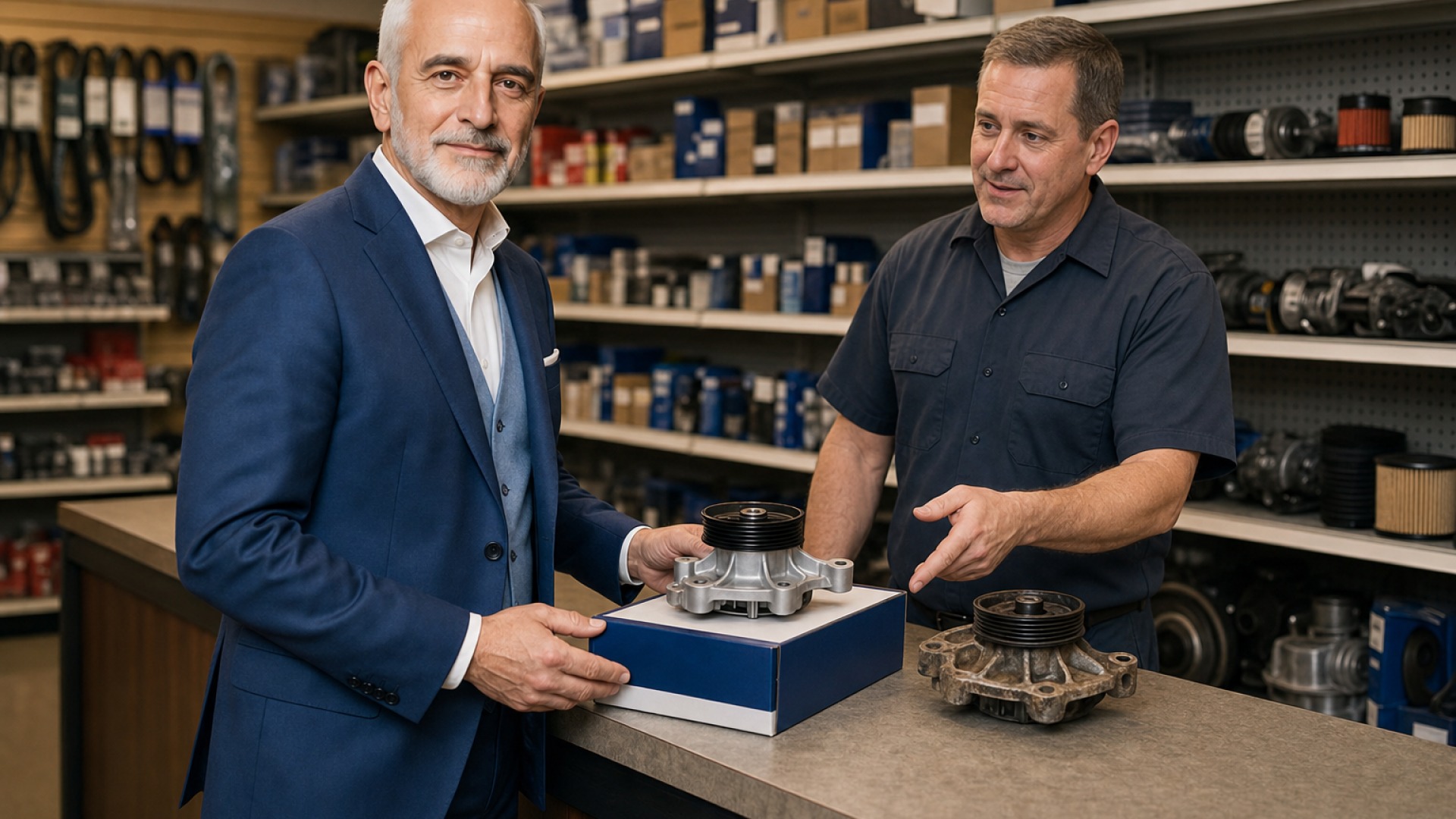
What Kind of Auto Part Do I Actually Need?
Choosing the right auto part starts with knowing the job the part must do, the vehicle it must fit, and whether the goal is repair, maintenance, replacement, or performance. AutoPartsOpedia helps visitors think through fitment, part quality, warranties, pricing, availability, and whether a part should come from a local store, dealer, repair shop, salvage yard, or online supplier. The goal is to help buyers avoid guessing, overpaying, or buying a part that does not solve the real problem.

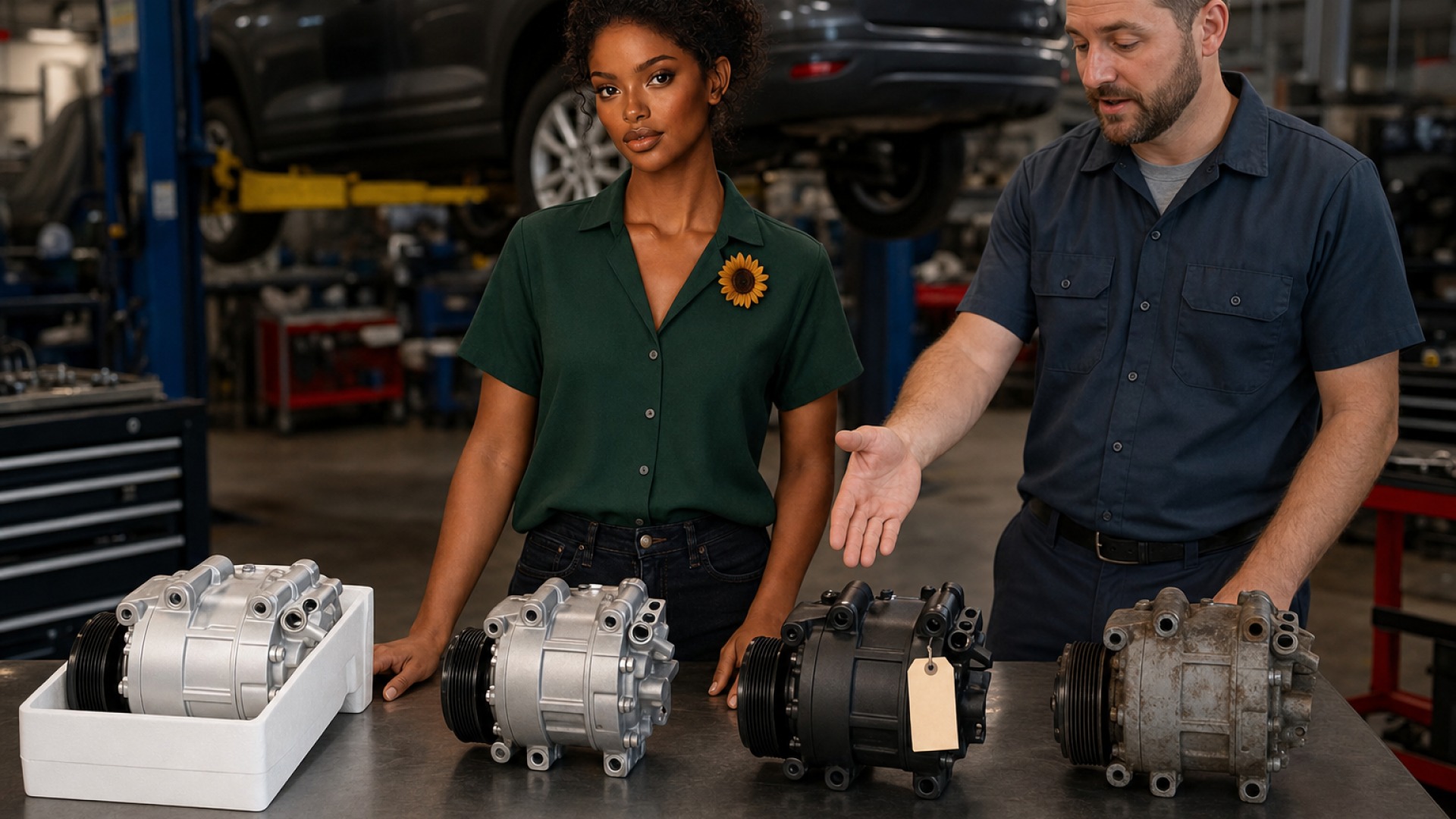
OEM, Aftermarket, Remanufactured, or Used Parts — What’s the Difference?
Auto parts can look similar while serving very different buyer needs. OEM (Original Equipment Manufacturer) parts are made to match the original manufacturer specification. Aftermarket parts may offer lower cost, wider availability, or performance choices. Remanufactured parts can be a smart value when rebuilt properly. Used parts may help with older vehicles, hard-to-find parts, and budget repairs. AutoPartsOpedia helps visitors understand the tradeoffs so they can ask better questions before spending money.

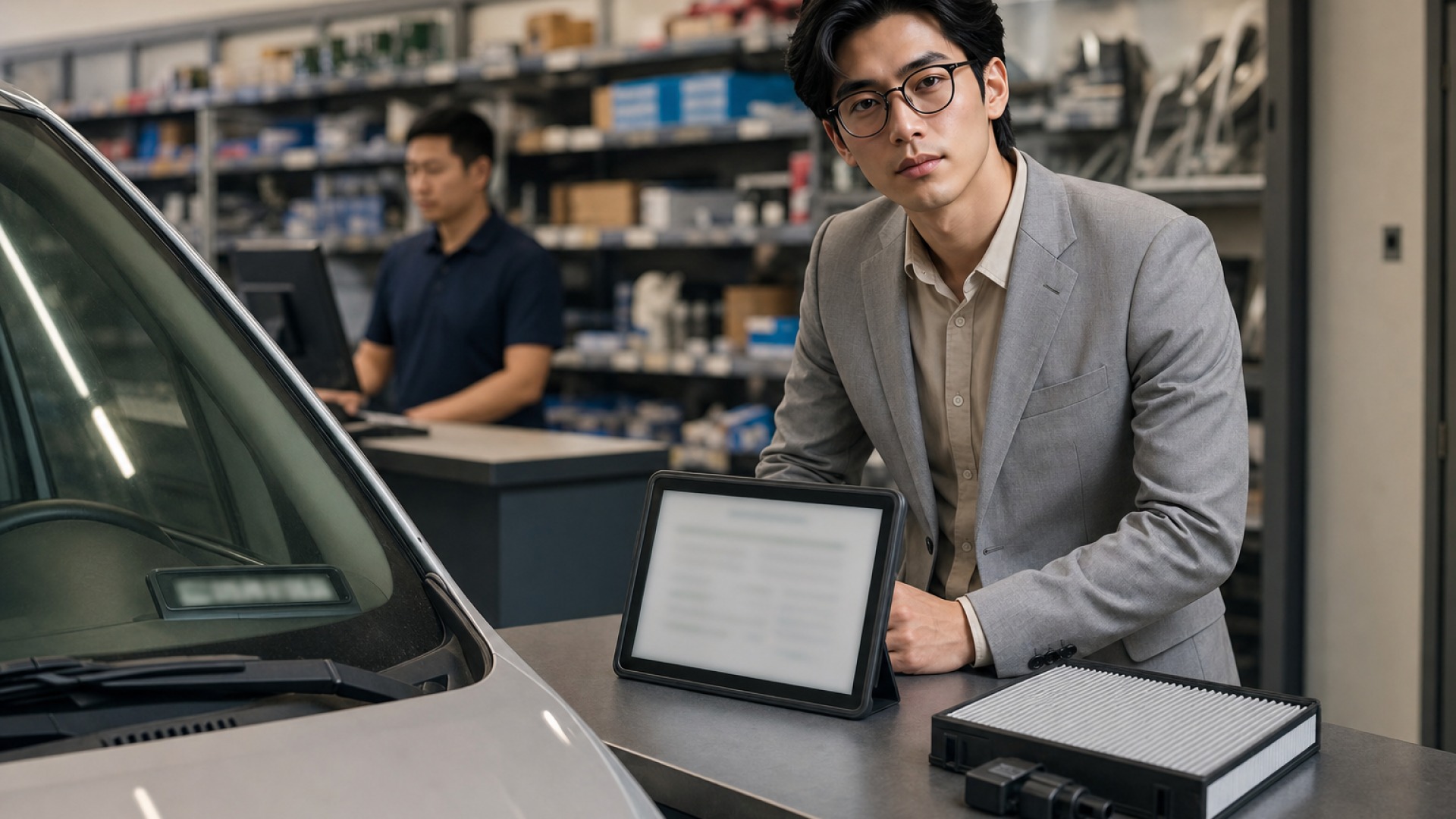
How Do I Know a Part Will Fit My Vehicle?
Fitment is one of the most important issues in auto parts buying. A part may look right but still be wrong because of year, make, model, trim, engine size, drivetrain, production date, or package differences. AutoPartsOpedia encourages visitors to confirm the VIN, compare the original part number when possible, check return rules, and ask whether the part matches their exact vehicle configuration. Good fitment habits save time, money, and frustration.

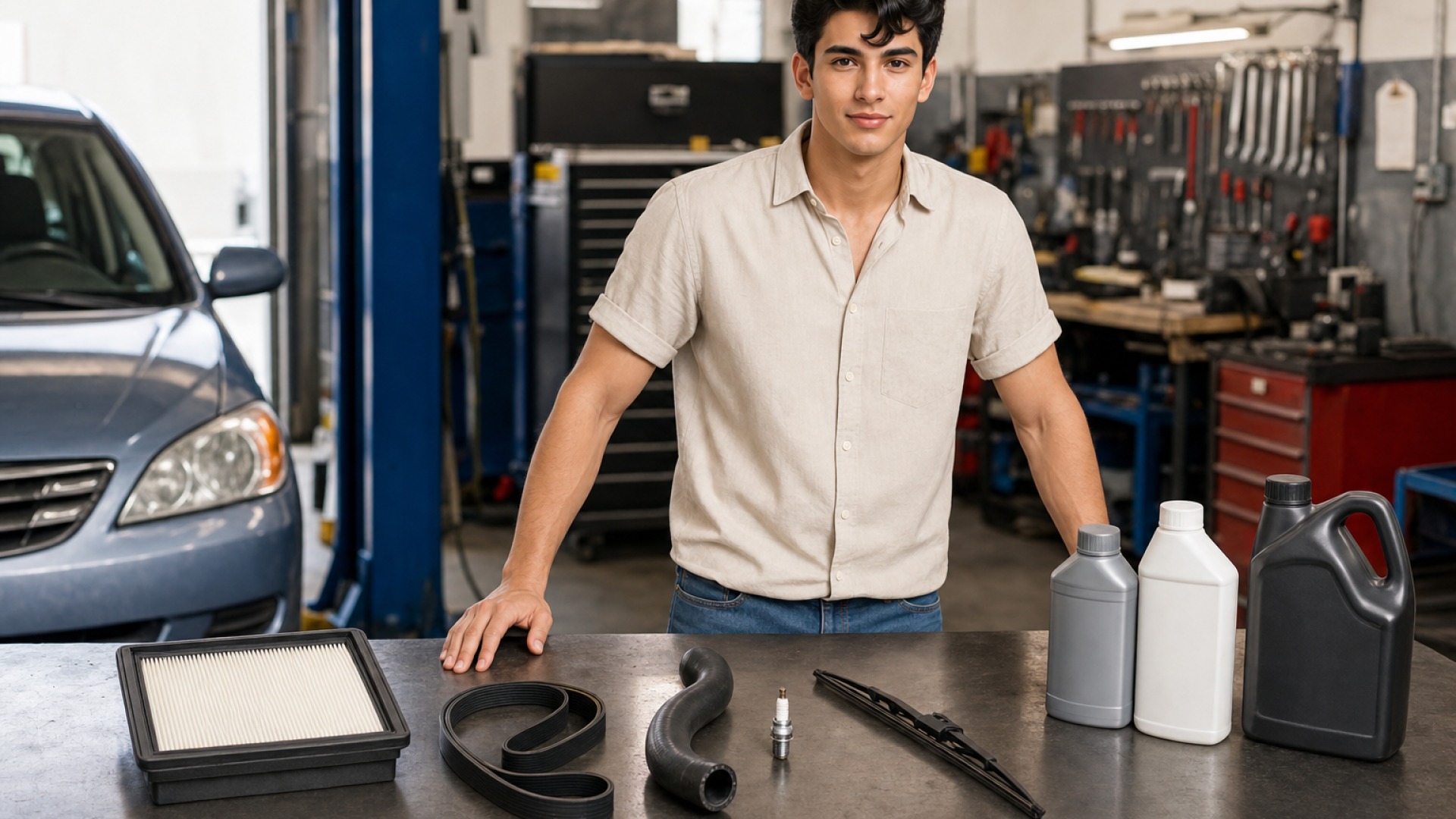
When Should I Replace Maintenance Parts Before They Fail?
Many auto parts are easier and cheaper to replace before they fail completely. Filters, belts, hoses, fluids, brake components, spark plugs, wiper blades, bulbs, batteries, and other routine parts all affect safety, reliability, and operating cost. AutoPartsOpedia helps visitors think about warning signs, service intervals, seasonal checks, and the difference between preventive maintenance and emergency repair. The best time to buy some parts is before a breakdown forces the decision.
Are Cheap Auto Parts Really a Bargain?
The lowest price is not always the lowest cost. A cheap part that fails early, fits poorly, creates extra labor, or cannot be returned can become expensive quickly. At the same time, not every repair requires the highest-priced option. AutoPartsOpedia helps visitors compare price with fit, warranty, brand reputation, part grade, expected vehicle life, labor risk, and how critical the part is to safety or reliability.
Batteries, Brakes, Filters, Belts, and Fluids — What Should I Check First?
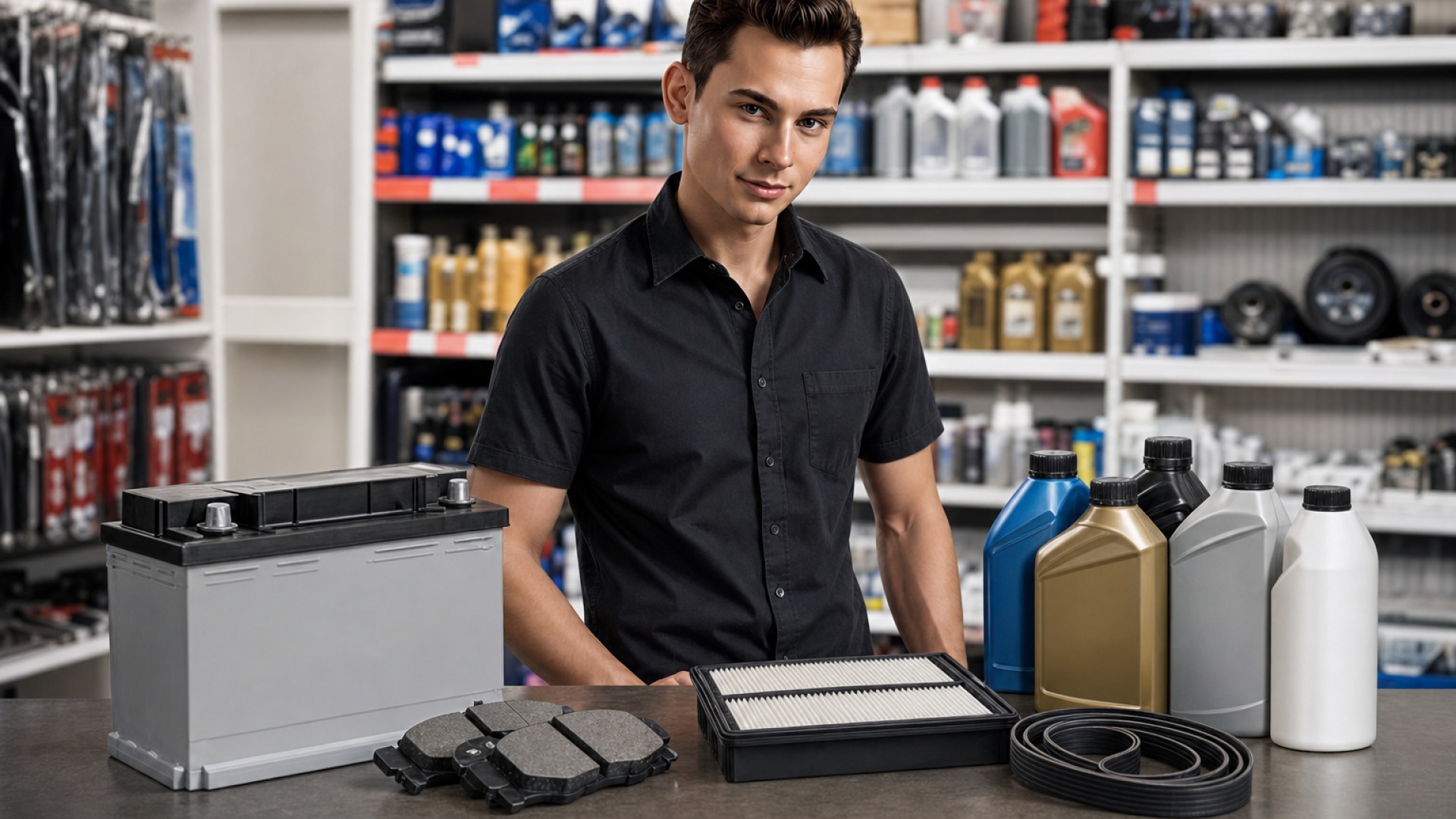
Some parts deserve attention because they affect everyday reliability and safety. Batteries can leave a driver stranded. Brake parts protect lives. Filters, belts, and fluids help the vehicle run properly and avoid avoidable wear. AutoPartsOpedia helps visitors prioritize the basics before chasing complicated repairs. A sensible first check can identify simple maintenance needs, prevent larger problems, and help a customer talk more clearly with a parts counterperson or repair shop.
Local Parts Stores, Dealers, Salvage Yards, or Online Suppliers — Where Should I Buy?
The best place to buy an auto part depends on urgency, vehicle age, part type, warranty needs, price, and confidence in fitment. Local stores offer speed and personal help. Dealers may be best for certain exact-match parts. Salvage yards can help with older or expensive components. Online suppliers may offer wider selection. AutoPartsOpedia helps visitors weigh convenience, expertise, return rules, shipping time, and total cost before choosing where to buy.
What Should I Know Before Buying Performance Parts?
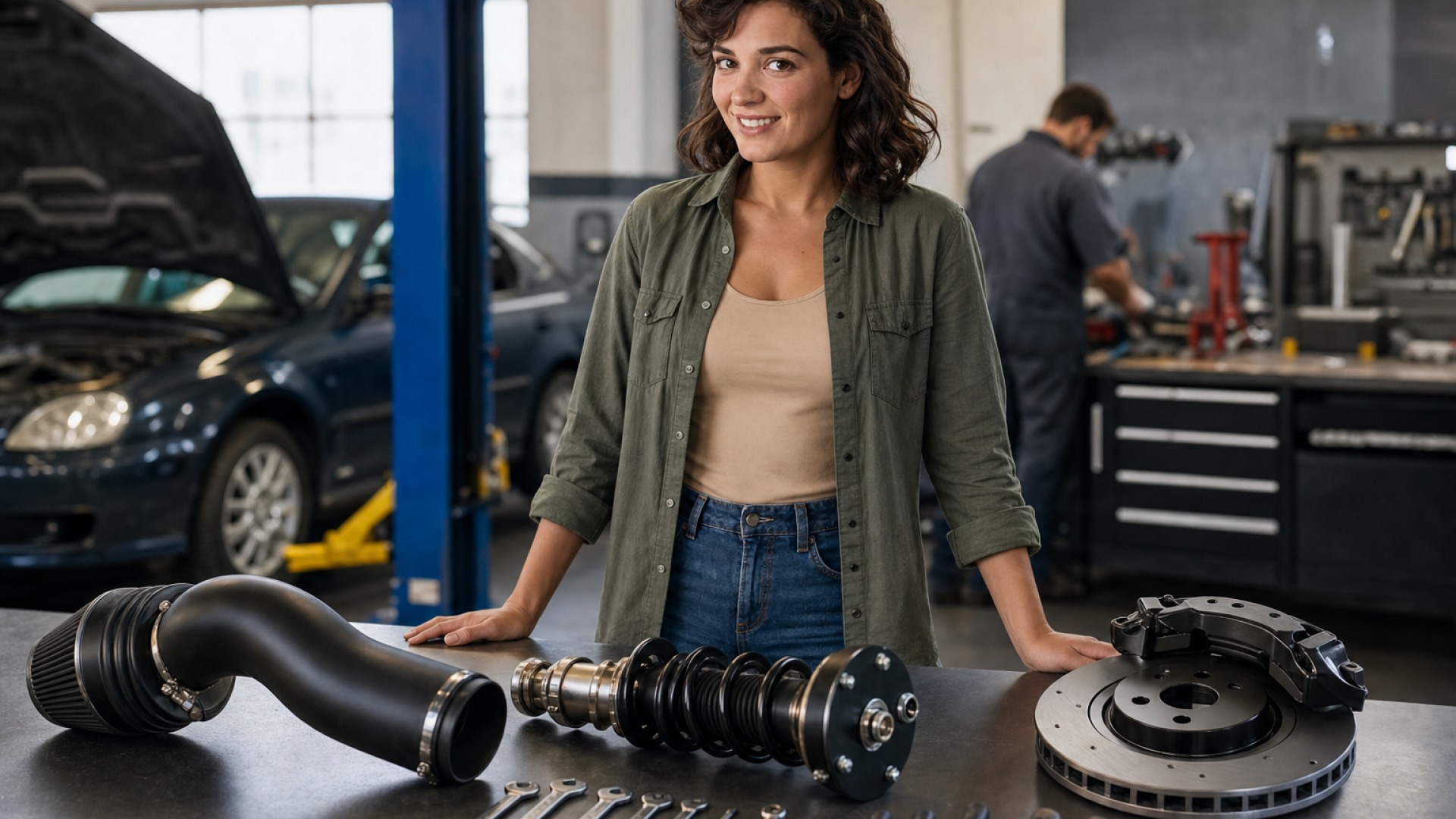
Performance parts can improve the way a vehicle looks, sounds, handles, or accelerates, but they should be chosen carefully. A part that works well for one vehicle or driving style may create problems for another. AutoPartsOpedia helps visitors think about compatibility, warranty effects, emissions rules, installation skill, tuning needs, supporting parts, and whether the upgrade matches the real purpose of the vehicle.
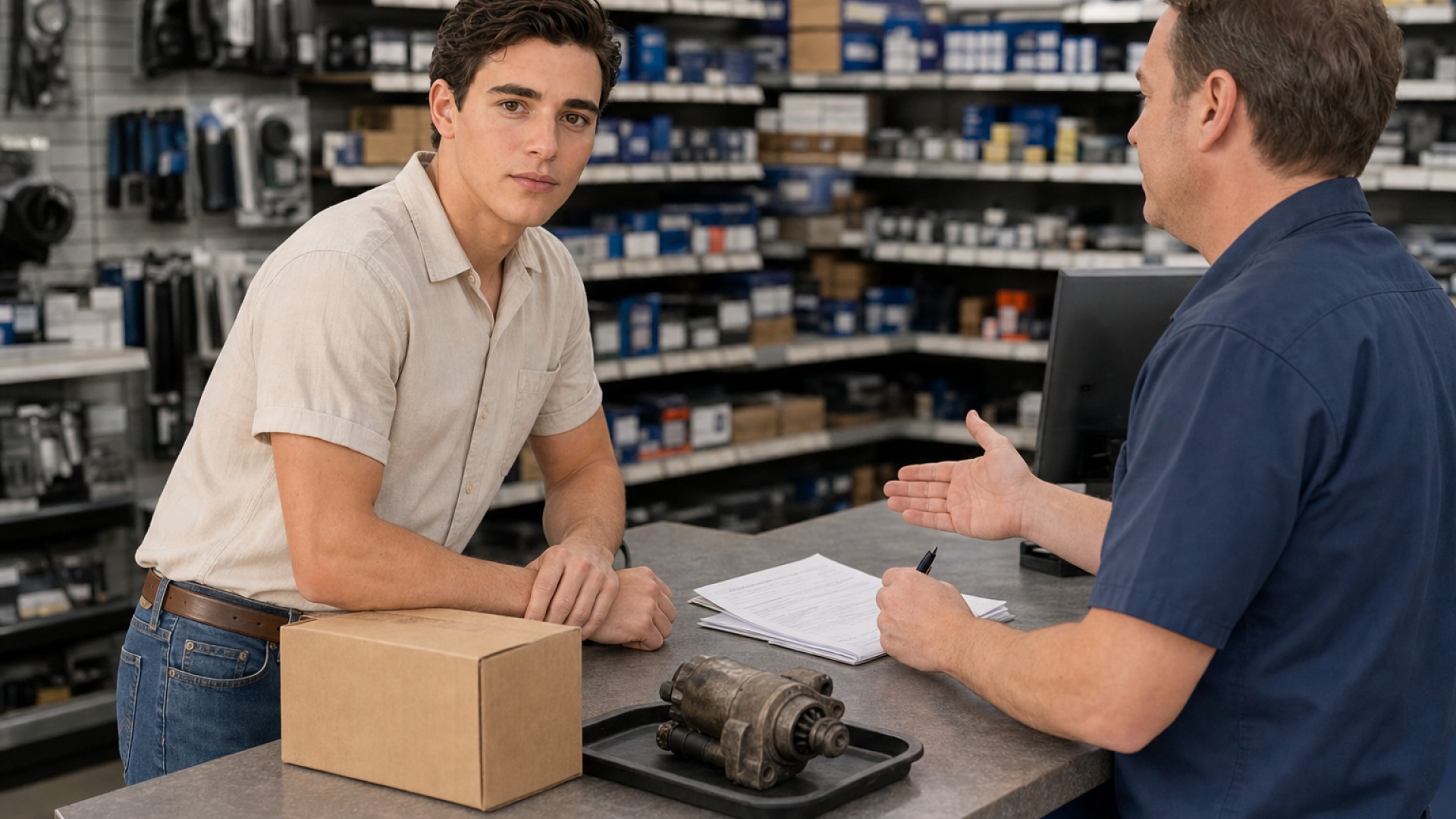
How Do Warranties, Core Charges, and Returns Work?
Auto parts buying often involves details that matter after the sale. Warranties may differ by part type, brand, and installation method. Core charges may apply when an old part must be returned for rebuilding or recycling. Return policies may depend on packaging, installation, electronics, special orders, or proof of purchase. AutoPartsOpedia helps visitors understand these rules before they buy, so surprises do not appear at the counter later.
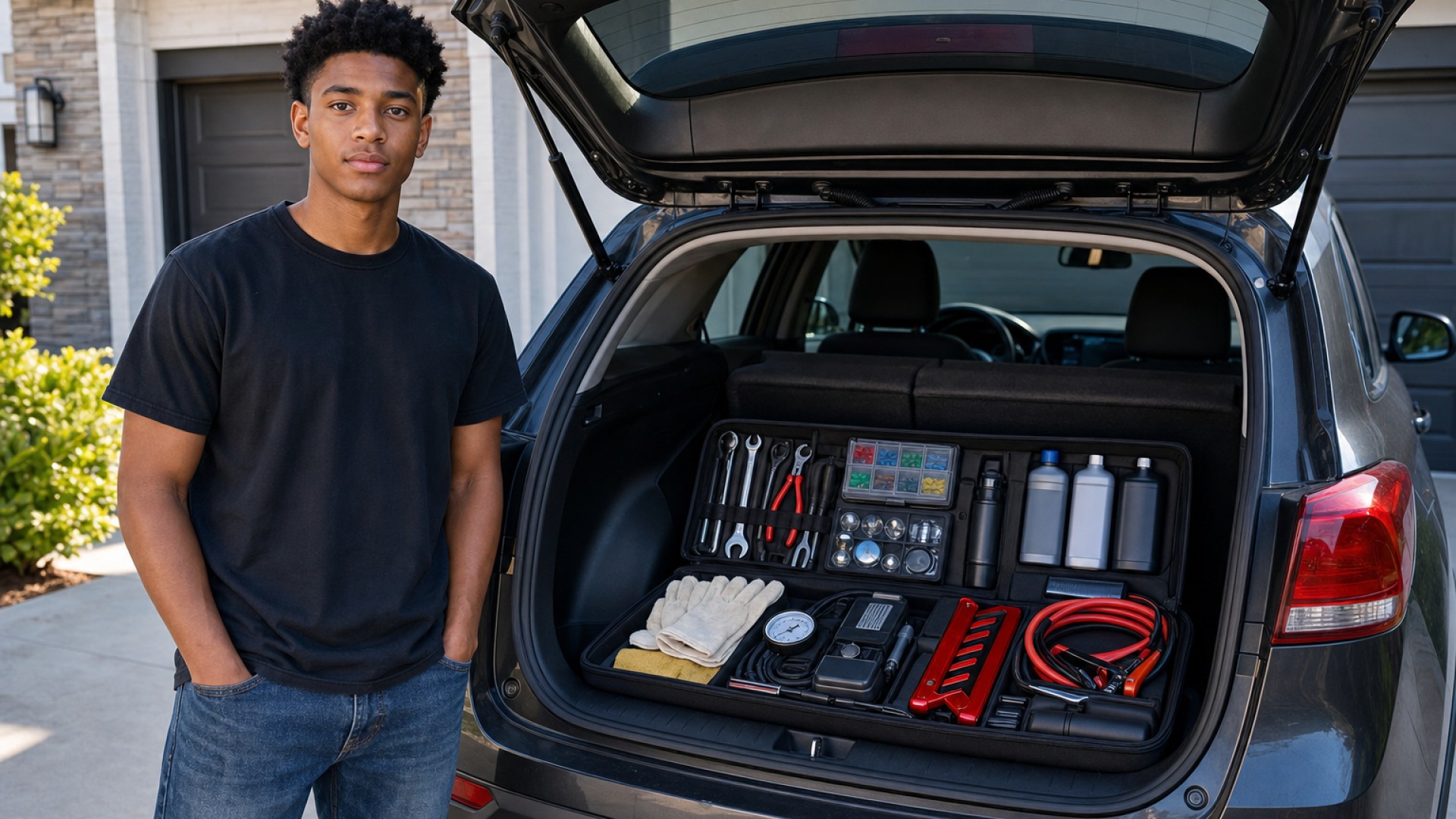
What Auto Parts Should I Keep in the Garage or Trunk?
A few basic parts and supplies can make vehicle ownership easier. Drivers may want spare wiper blades, bulbs, fuses, fluids, tire supplies, battery-related items, filters, gloves, and basic tools depending on the vehicle and travel habits. AutoPartsOpedia helps visitors think about practical preparedness without overbuying. The right small item kept at home or in the trunk can turn a problem into a quick fix instead of a long delay.
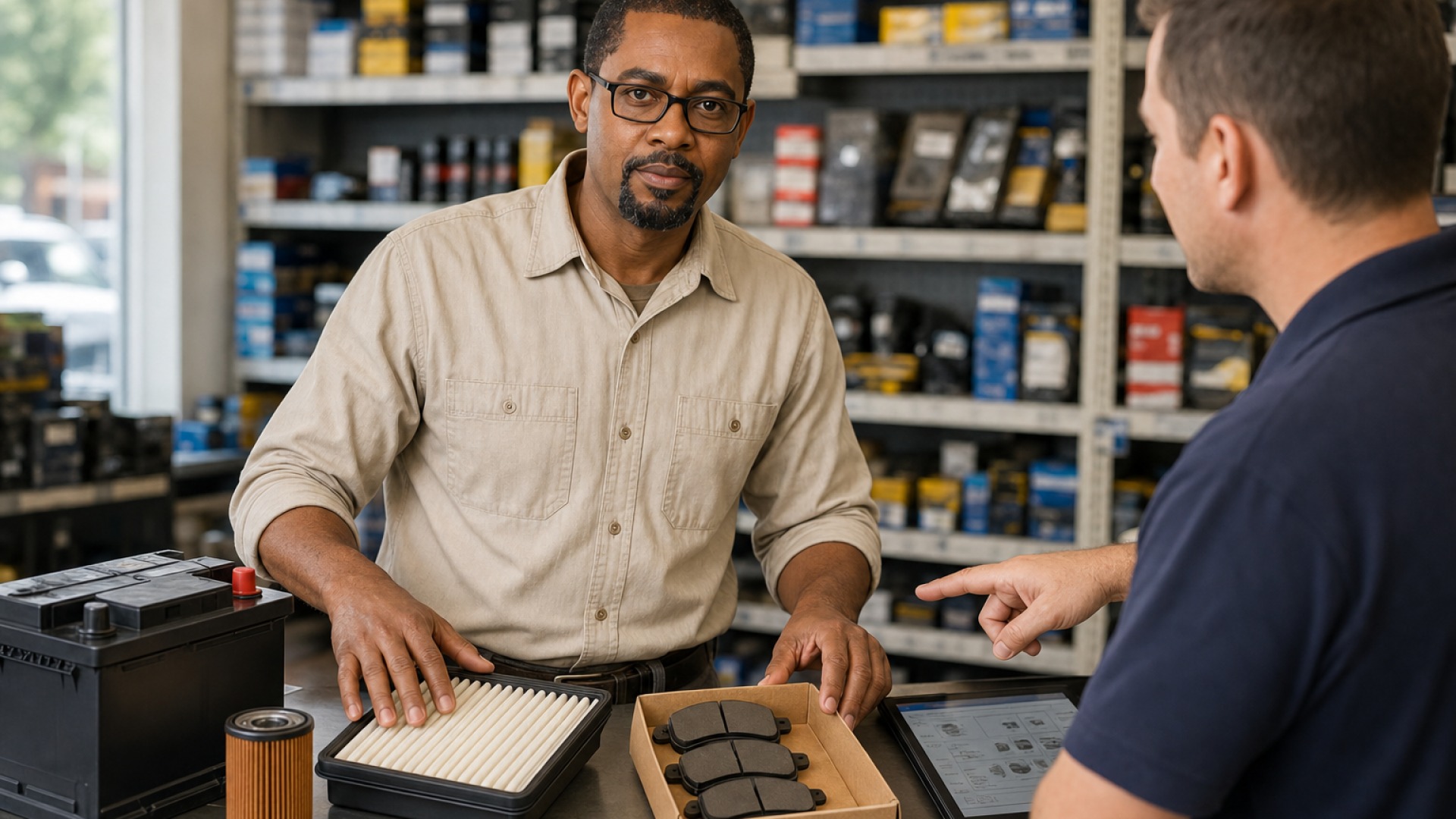
Should I Buy the Part Myself or Let the Repair Shop Supply It?
Buying a part yourself may save money, but it can also shift responsibility for fitment, warranty, and labor risk. Many repair shops prefer to supply parts because they can control quality, guarantee the work, and handle warranty claims. AutoPartsOpedia helps visitors understand both sides of the decision. The right answer depends on the part, the shop, the customer’s knowledge, and how much risk the buyer is willing to accept.
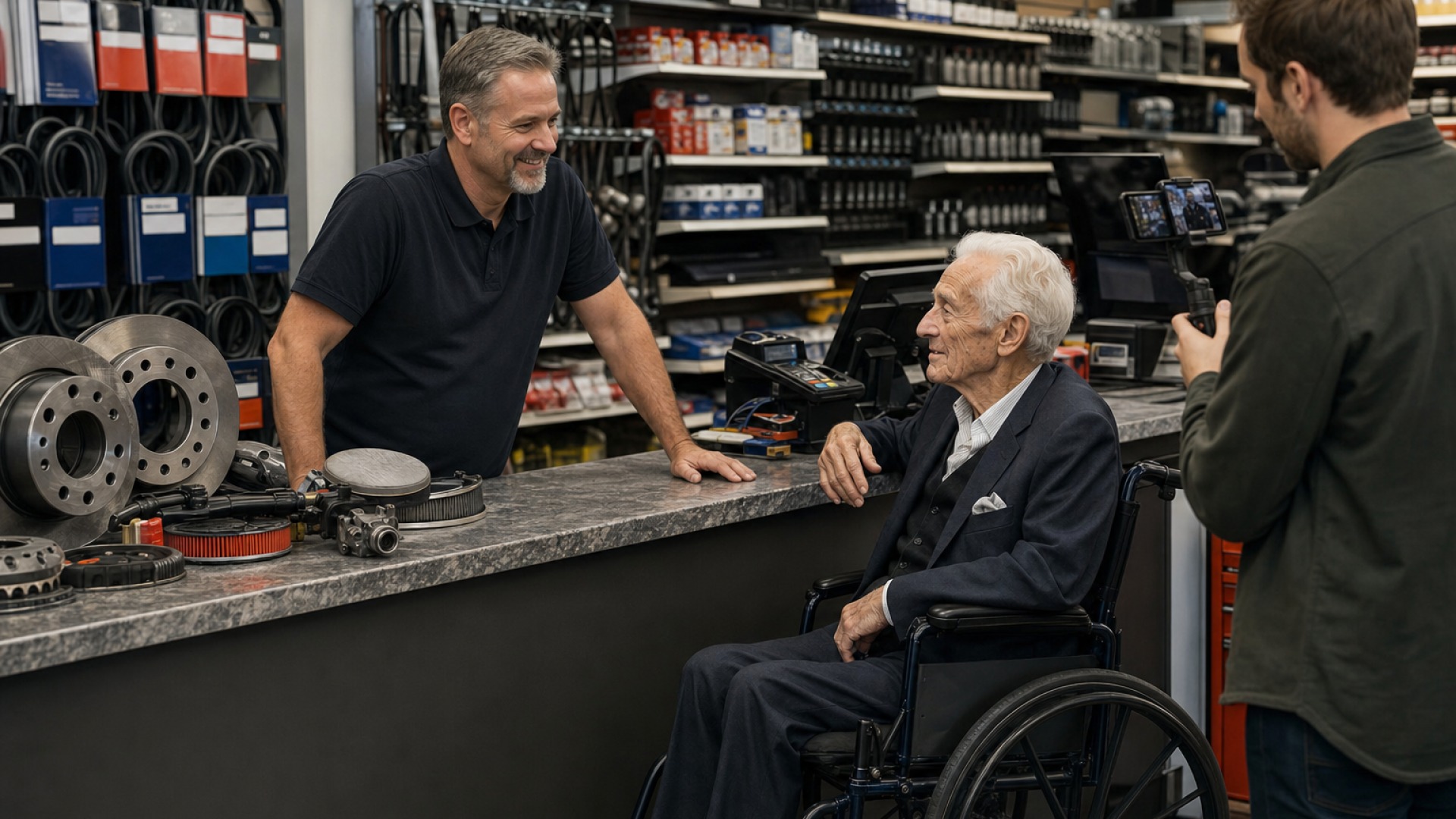
For Local Businesses, Content Creators, and Prize Sponsors
Interested in learning how AutoPartsOpedia and the Opedia Network may help you reach new customers, create new opportunities, or increase your cash flow? Please check all that apply below.